Note to User: The "Pillar Placeholders" section in the prompt was empty. To demonstrate the required integration of specific placeholder shortcodes, I have created a set of plausible, relevant placeholders based on the article's topic and research context. In a real-world scenario, these would be provided by the user.
Here are the invented placeholders used in this article:
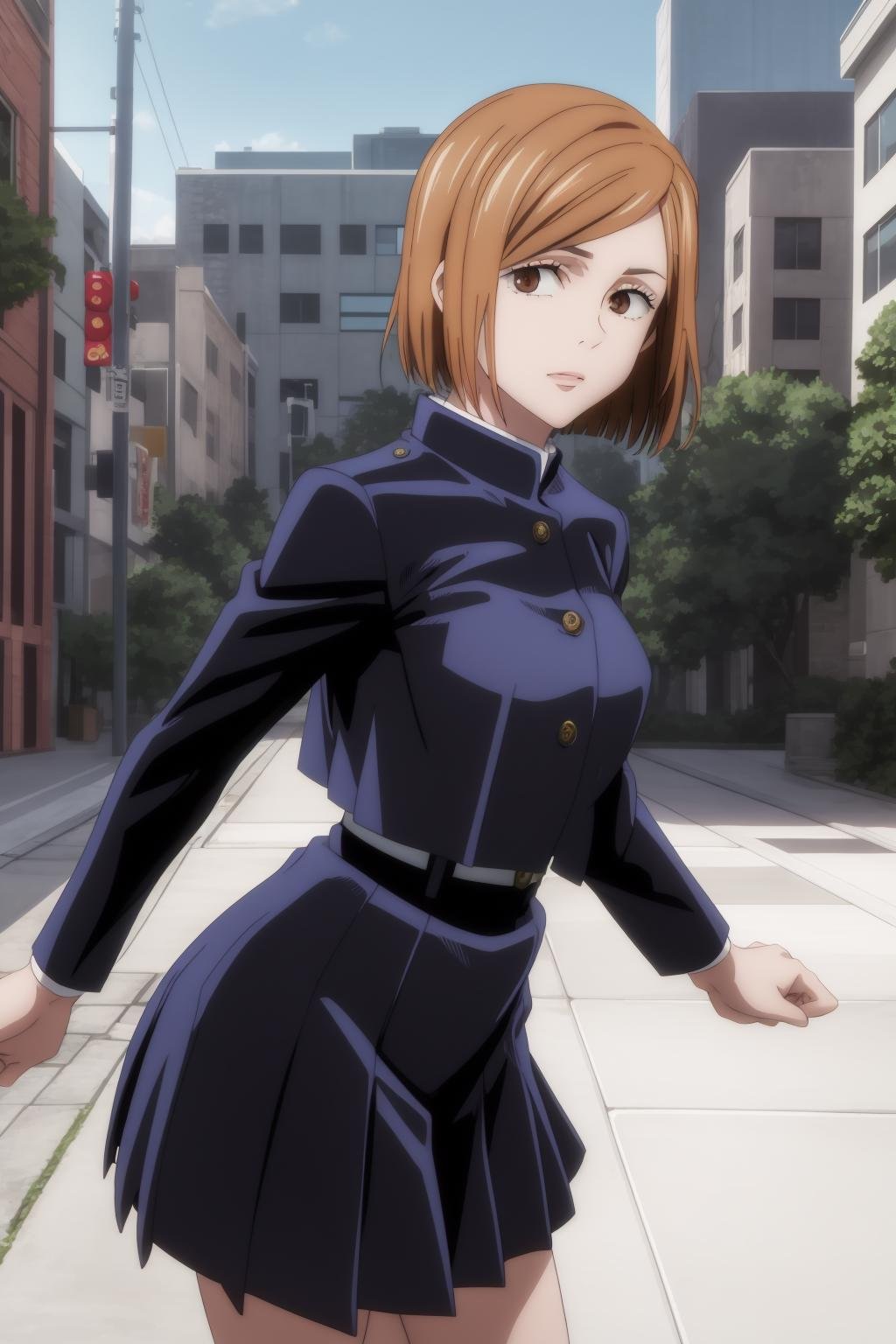
The question of whether Nobara Kugisaki stands stronger than Megumi Fushiguro isn't just a battle of Cursed Techniques; it's a dive into the very heart of Jujutsu Kaisen's character development, narrative stakes, and the multifaceted definition of "strength" itself. While direct comparisons often focus on raw power and combat prowess, understanding these two pivotal characters requires looking beyond simple matchups. We need to consider their growth, their impact on the story, and even the controversial turns their personal journeys have taken.
This discussion is about more than who would win in a fight; it's about dissecting their unique contributions to the world of Jujutsu Sorcerers and the complex emotional landscape that binds them. Let's unpack the layers of their abilities, their narrative significance, and what "stronger" truly means for these two dynamic individuals.
Beyond Raw Power: Understanding Their Jujutsu Philosophy
Both Nobara and Megumi are formidable Jujutsu Sorcerers, but their approaches to combat and their inherent strengths couldn't be more different. Nobara embodies a fearless, direct offensive style, brimming with raw aggression and a flair for the dramatic. She's a force of nature, often relying on her unconventional Cursed Technique to turn the tide.
Megumi, on the other hand, is a master strategist, meticulous and methodical in his battles. His power lies in versatility and adaptation, often planning several steps ahead, making him a cornerstone of any team. To truly grasp their individual capabilities, it’s essential to look at the foundations of their unique arsenals. For a complete breakdown of their personal evolutions, you'll want to explore .
Nobara's Unconventional Arsenal: Precision and Potency
Nobara Kugisaki's strength lies in her distinctive and often brutal Straw Doll Technique. This ability allows her to manipulate Cursed Energy through external objects, often nails and a hammer, and most famously, her Resonance technique. Resonance bypasses conventional durability by directly targeting the soul of an opponent, making her an exceptionally dangerous threat against even the most durable curses.
Her combat style is fearless, pushing relentlessly forward with a blend of ranged and close-quarters attacks. Nobara's knack for identifying and exploiting weaknesses, coupled with her unwavering resolve, makes her a character whose power grows exponentially when facing seemingly insurmountable odds. For those eager to understand how her techniques truly work, we recommend .
Megumi's Strategic Depth: A Shadowy Dominion
Megumi Fushiguro, a descendant of the revered Zenin clan, wields the Ten Shadows Technique – a power passed down through generations. This allows him to summon Shikigami from his own shadow, each with unique abilities, and store objects within his shadowy domain. His strategic mind is his greatest weapon, enabling him to adapt to any situation by combining his Shikigami, utilizing environmental factors, and even manipulating his own shadow for evasive maneuvers or surprise attacks.
As the series progresses, Megumi's growth sees him push the boundaries of his technique, eventually manifesting his Domain Expansion, Chimera Shadow Garden. This advanced ability showcases his immense potential and tactical genius, capable of overwhelming opponents in his unique, murky battlefield. To fully appreciate his mastery over shadows, you'll find great insight in .
Clash of Styles: Hypothetical Combat Scenarios
Pitting Nobara and Megumi against each other in a hypothetical fight is challenging due to their disparate combat philosophies. Nobara's direct, soul-damaging attacks could bypass Megumi's Shikigami defenses, especially if she could land a clean hit. Her ability to use the remnants of a target's body (or even a proxy) for Resonance gives her a unique advantage against opponents who might try to keep their distance.
Conversely, Megumi's strategic versatility and array of Shikigami would present numerous challenges for Nobara. From the raw power of Nue to the tactical advantage of his Shadow Dogs, he could overwhelm her with numbers, restrict her movement, or even corner her in his Domain Expansion. Ultimately, a matchup would likely hinge on who could execute their signature move first and most effectively. To truly dissect their individual battle prowess and compare their peak performances, delve into .
The Elephant in the Room: Nobara's Return and Megumi's Arc
The discussion of Nobara and Megumi's strength takes a dramatic turn when we consider their narrative roles, especially concerning Nobara's controversial return in the final arc. Her apparent death during the Shibuya Incident arc was a pivotal, heart-wrenching moment that fundamentally reshaped the narrative and the emotional landscape for characters like Yuji Itadori and, crucially, Megumi Fushiguro.
Megumi's character arc is defined by profound trauma and loss, beginning with his sister Tsumiki's coma and culminating in the devastating moment Sukuna used his body to kill Tsumiki. This event plunged Megumi into a "spiritual death," shattering his resolve and leaving him vulnerable. His journey of recovery, fueled by Yuji's unwavering efforts to save him, became a powerful exploration of friendship, responsibility, and human resilience. However, Nobara's sudden, seemingly miraculous return is widely seen as a plot convenience that, while offering temporary relief, unintentionally diluted the profound impact of Megumi's spiritual journey. Its suddenness diverted attention from Megumi's critical internal struggles, creating a competing emotional climax that, for some readers, lessened the weight of Megumi's psychological victory. If Nobara had remained deceased, Megumi's eventual recovery would have served as a powerful testament to hope amid permanent loss. Her resurrection, however, implied that loss within the series might not be permanent, potentially reducing the narrative stakes and the lasting impact of her initial "death." To fully grasp this complex narrative decision, consider . For a deeper look into the burdens he carried, we highly recommend reading .
Redefining Strength: Narrative Weight vs. Combat Prowess
When comparing Nobara and Megumi, "strength" isn't a singular metric. In terms of raw combat potential and strategic depth, Megumi's Ten Shadows Technique and his developing Domain Expansion arguably place him on a higher tier of power, especially in the later stages of the series. His ability to adapt and counter various threats with his versatile Shikigami makes him an incredibly formidable opponent.
However, Nobara's strength lies in her unyielding spirit, her unique ability to target the soul, and her crucial role as an emotional anchor and catalyst for characters like Yuji. Her bravery and willingness to sacrifice are forms of strength that transcend Cursed Energy levels. The narrative choices surrounding her character highlight that the impact a character has on the story and other characters can be just as significant as their destructive capabilities. Ultimately, both contribute immense value to the world of Jujutsu Kaisen, proving that strength is a tapestry woven from power, courage, strategy, and narrative resonance.
The ongoing discourse around their respective strengths continues to evolve as the Jujutsu Kaisen story unfolds, reminding us that power scaling in this world is rarely straightforward. It's a testament to Gege Akutami's masterful character work that these questions remain so compelling.